What Is Shoulder Arthroplasty?
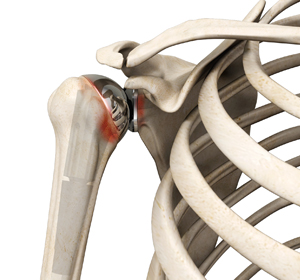
Shoulder arthroplasty, also known as Shoulder Replacement surgery, is a procedure that replaces damaged parts of the shoulder joint with artificial components. It is commonly performed to relieve pain and restore function in patients suffering from severe shoulder arthritis, complex fractures, or degenerative joint conditions. Depending on the patient’s condition, the surgery may involve partial or total replacement of the shoulder joint.
When Is Shoulder Arthroplasty Recommended?
Shoulder arthroplasty is typically recommended when conservative treatments have failed. Common reasons for surgery include:
- Severe shoulder arthritis causing chronic pain and stiffness
- Complex fractures of the upper arm bone (humerus)
- Rotator Cuff Tear arthropathy
- Osteonecrosis (bone death due to poor blood supply)
- Failed previous shoulder surgeries
- Progressive loss of shoulder function impacting daily activities
How Is Shoulder Arthroplasty Performed?
The procedure involves removing the damaged parts of the shoulder joint—typically the humeral head (ball) and sometimes the glenoid (socket)—and replacing them with metal and plastic implants. There are three main types of shoulder arthroplasty: total Shoulder Replacement, hemiarthroplasty (partial replacement), and reverse Shoulder Replacement. The choice depends on the patient’s age, activity level, and the extent of joint or tendon damage. Surgery is usually performed under general anesthesia and may take one to two hours.
What to Expect During Recovery After Shoulder Arthroplasty?
Recovery after Shoulder Replacement varies, but most patients can expect:
- A hospital stay of 1–2 days
- Immobilization of the shoulder with a sling for several weeks
- Physical therapy starting after surgery to regain motion and strength
- Full recovery within 3–6 months, depending on the type of procedure and adherence to rehab
What Are the Risks of Shoulder Arthroplasty?
While Shoulder Replacement is generally safe, there are potential risks, such as:
- Infection at the surgical site
- Blood clots
- Nerve or blood vessel injury
- Joint instability or dislocation
- Implant loosening or wear over time
- Stiffness or limited range of motion
What Are the Benefits of Shoulder Arthroplasty?
Many patients experience significant improvement. Benefits include:
- Relief from chronic shoulder pain
- Improved shoulder mobility and strength
- Enhanced ability to perform daily tasks
- Better sleep and quality of life
- Long-lasting results with proper care and follow-up.